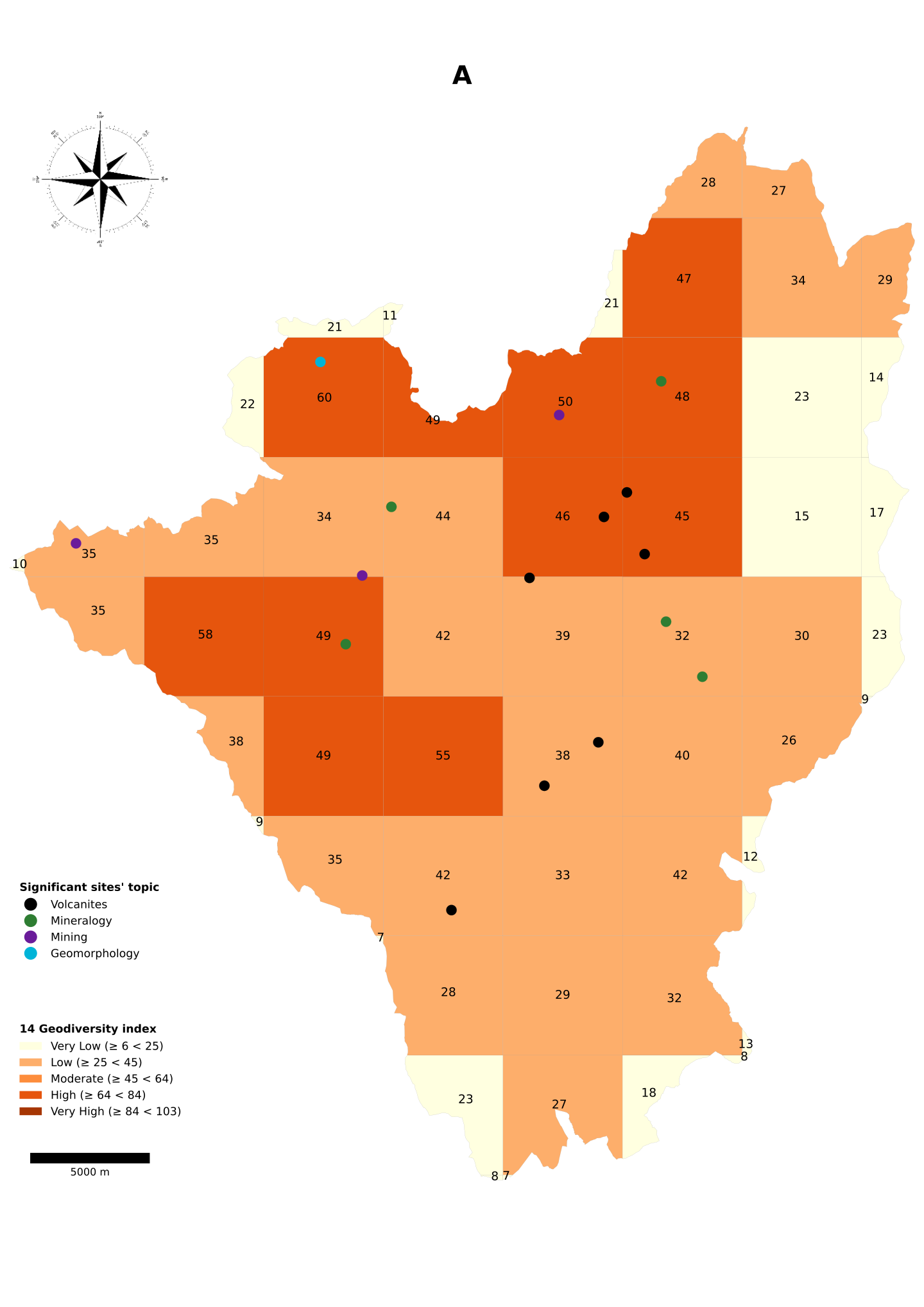
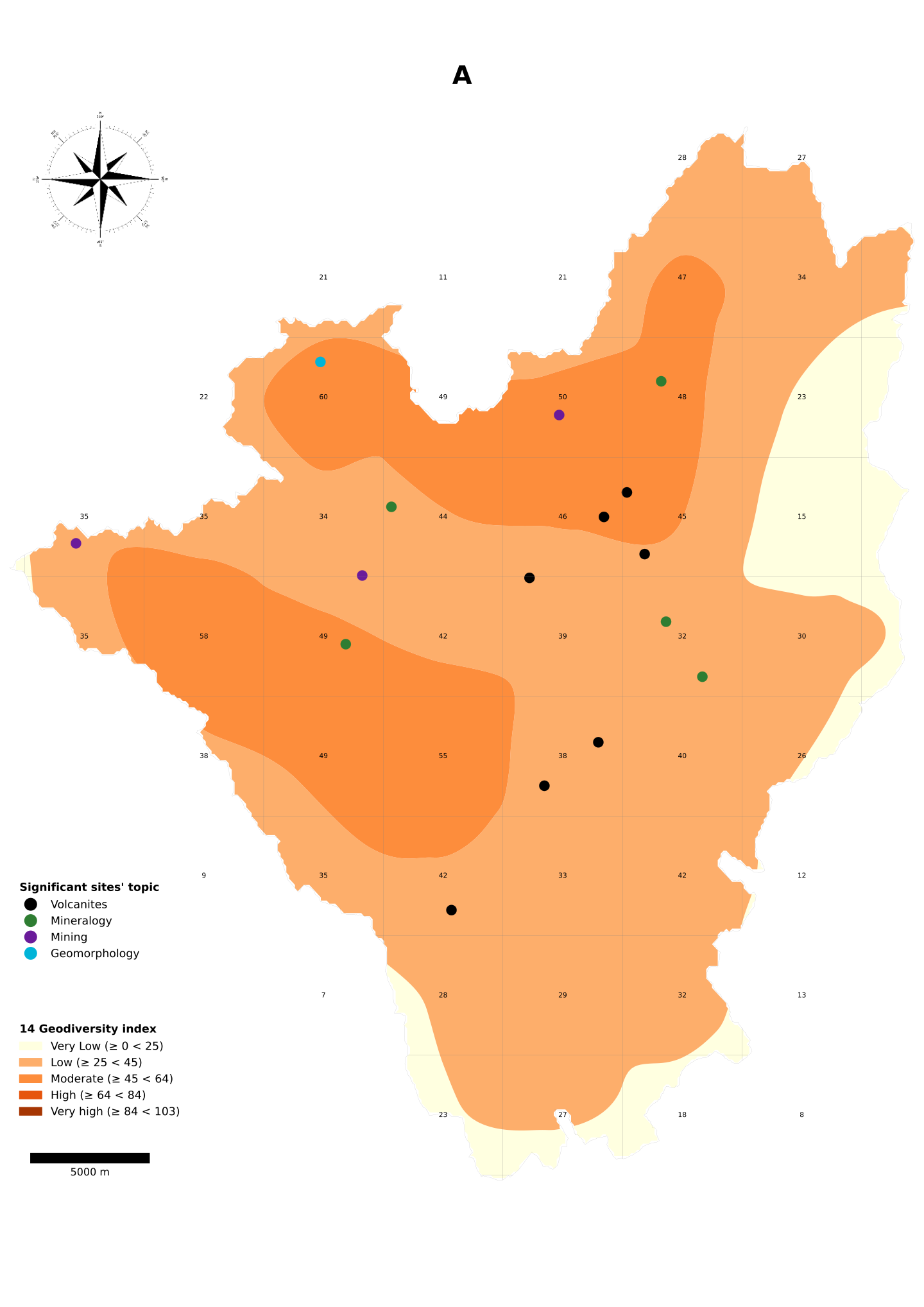
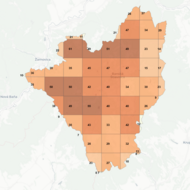
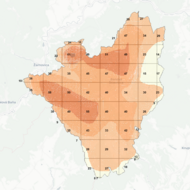
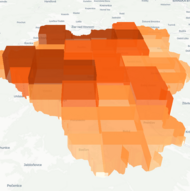
Geodiversity, the inherent abiotic diversity of a any region, constitutes a crucial link between the environment, human populations, and their cultural heritage. This connection is mediated through the complex interplay of biodiversity, soils, minerals, rocks, fossils, water, wind, and ice. Furthermore, geodiversity underpins every ecosystem and is therefore a critical component of nature conservation efforts aimed at preserving biodiversity. Elements of Earth's geodiversity possessing significant scientific, educational, cultural, or aesthetic value, and thus requiring protection, comprise geological heritage. This heritage is frequently subject to an elevated risk of accelerated natural degradation, encompassing both complete and partial deterioration, primarily driven by anthropogenic activities. Consequently, the preservation of this legacy for future generations is imperative. This imperative is currently addressed through the concept of geoconservation, which prioritizes the protection of both the intrinsic scientific and aesthetic values perceived by humans, as well as the preservation of natural ecological (including biological) processes. These processes are central to most nature conservation programs.
The project aims to create a comprehensive methodology for assessing geodiversity and its elements, contributing to the unique character of any region. This methodology would serve the management needs in landscape planning and protection, regional development (e.g., tourism development, effective geopark management), and geoscience education, facilitating a deeper understanding of regional characteristics. Moreover, the research results can be used to study the interrelationships of various elements within specific regions.
From a practical point of view, the creation of a geodiversity assessment methodology will allow the identification and assessment of sites with tourism potential, which will help in the creation of specific products and strategies towards regional development. This will, e.g., attract more tourists and increase tourism revenues for entities in this area. At the same time, it will contribute to more effective nature protection and increase the attractiveness of regions for tourists and investors. The project will also support education and awareness of the importance of geodiversity, which can lead to the creation of new educational programs and activities for the public. Last but not least, the project will enable cooperation with the scientific community and gain access to the latest knowledge and in the field of geosciences, regional studies and nature protection, which can be a valuable source of information and inspiration for entrepreneurs to develop innovative and targeted products and services.
The main aim of the project is the research on the possibilities and subsequent definition of a comprehensive assessment (methodology) of geodiversity and its elements (geological heritage) participating in the overall character of the landscape, which is usable for the needs of regional development, management and planning in the field of landscape planning and protection, support and development of sustainable forms of tourism (especially geotourism and ecotourism) and related promotion and support of education in the field of geosciences, environmental protection and sustainable development.
Several partial goals are defined for the successful fulfillment of the main goal:
1. Identification of geodiversity elements in the country:
a. Research and definition of the main parameters defining the terms 'geodiversity' and the 'element of geodiversity';
b. Identification and subsequent complex characterization of geodiversity elements.
2. Specification of the criteria applied in the assessment:
a. Defining the main groups (categories) of assessment criteria and specifying individual criteria;
b. Research of the possibilities of using defined groups of assessment criteria and the criteria themselves for the final use of assessment;
c. Consultation of the possible use of defined criteria with experts (both academic and practice) and their subsequent modification or replenishment;
d. Final processing and formulation of categories and criteria.
3. Research and specification of the methodology of the assessment process:
a. Defining the logical sequence of steps necessary for the complexity of the assessment;
b. Development and definition of a method for assessment of geodiversity and its elements;
c. Interpretation of assessment results according to the purpose of their further use.
2026
-
2027
-
2028
-
This work was supported by the Slovak Research and Development Agency under the Contract no. APVV-24-0554.